A social scientist interested in the political sociology of migration, mobility, ethnicity and nationalism.
My latest …
Project

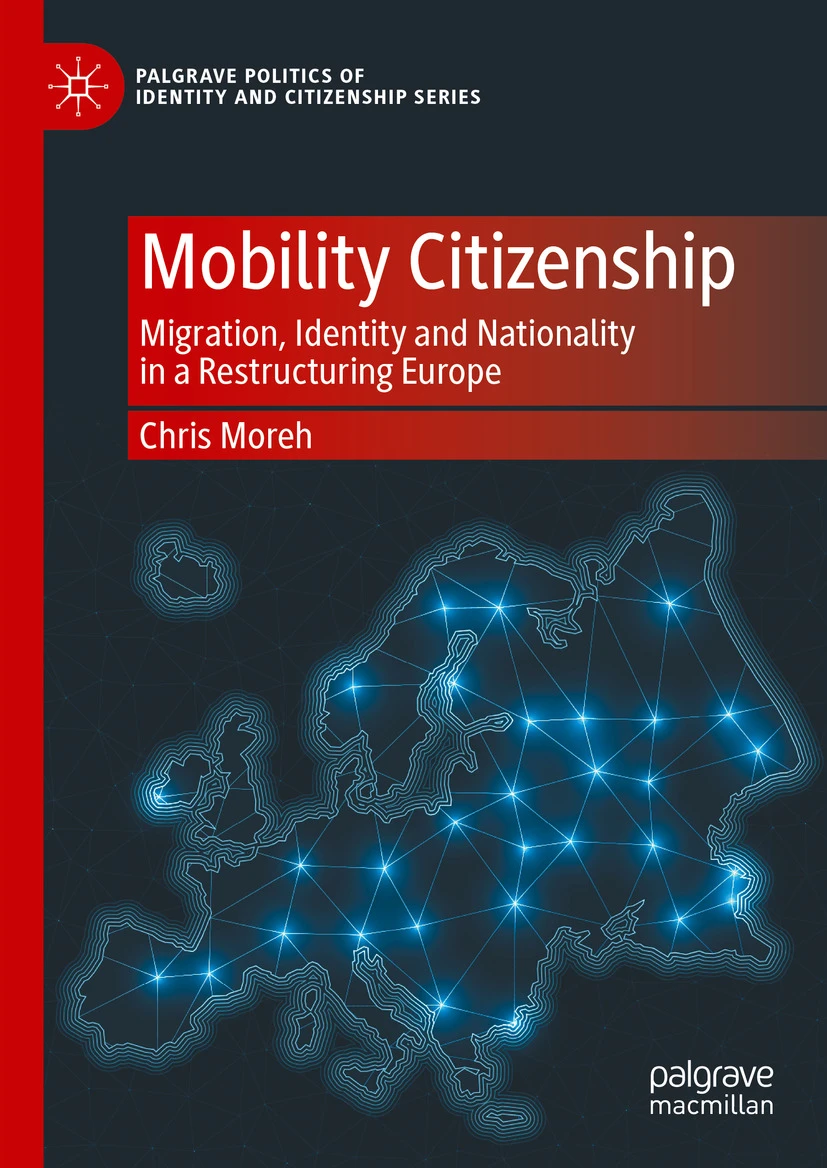
Book
Article
Investigating the analytical robustness of the social and behavioural sciences
Nature, vol. 652, issue 8108, pp. 135-142 (2026)
The same dataset can be analysed in different justifiable ways to answer the same research question, potentially challenging the robustness of empirical science. In this crowd initiative, we investigated the degree to which research findings in the social and behavioural sciences are contingent on analysts' choices. We examined a stratified random sample of 100 studies published between 2009 and 2018, where for one claim per study, at least five re-analysts independently re-analysed the original data. The statistical appropriateness of the re-analyses was assessed in peer evaluations, and the robustness indicators were inspected along a range of research characteristics and study designs. We found that 34% of the independent re-analyses yielded the same result (within a tolerance region of +/- 0.05 Cohen's d) as the original report; with a four times broader tolerance region, this indicator rose to 57%. Regarding the conclusions drawn, 74% of analyses were reported to arrive at the same conclusion as in the original investigation; 24% to no effects/inconclusive result, and 2% to the opposite effect as in the original investigation. This exploratory study suggests that the common single-path analyses in social and behavioural research should not simply be assumed to be robust to alternative analyses. Therefore, we recommend the development and use of practices to explore and communicate this neglected source of uncertainty.
Post
The Changing Face of Migration in Britain
02 December 2019
The United Kingdom’s immigration and integration system is on the cusp of radical change. The complex patterns of mobility and settlement which had characterised the British migration system for over six decades had begun shifting at the turn of the millennium and within a decade the country’s migration landscape changed dramatically. This change was one of the principal factors contributing to the outcome of the 2016 Referendum on European Union membership, which has triggered an ongoing ‘Brexit’ transition period with yet unsettled legal and political outcomes, but which nevertheless is already affecting the UK’s demography and policy landscape. This article summarises the main changes undergone in the UK's migration system since the second half of the twentieth century.